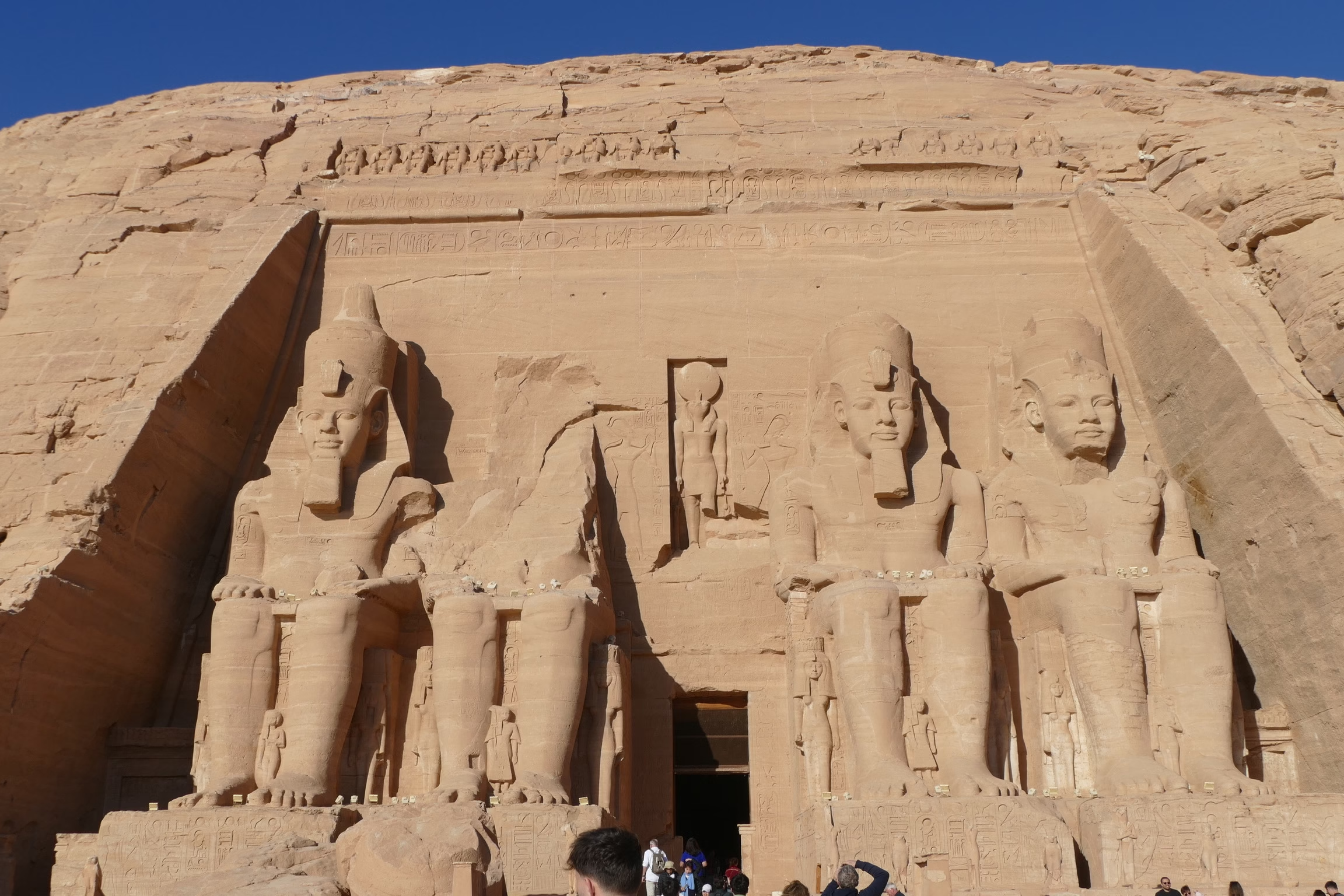
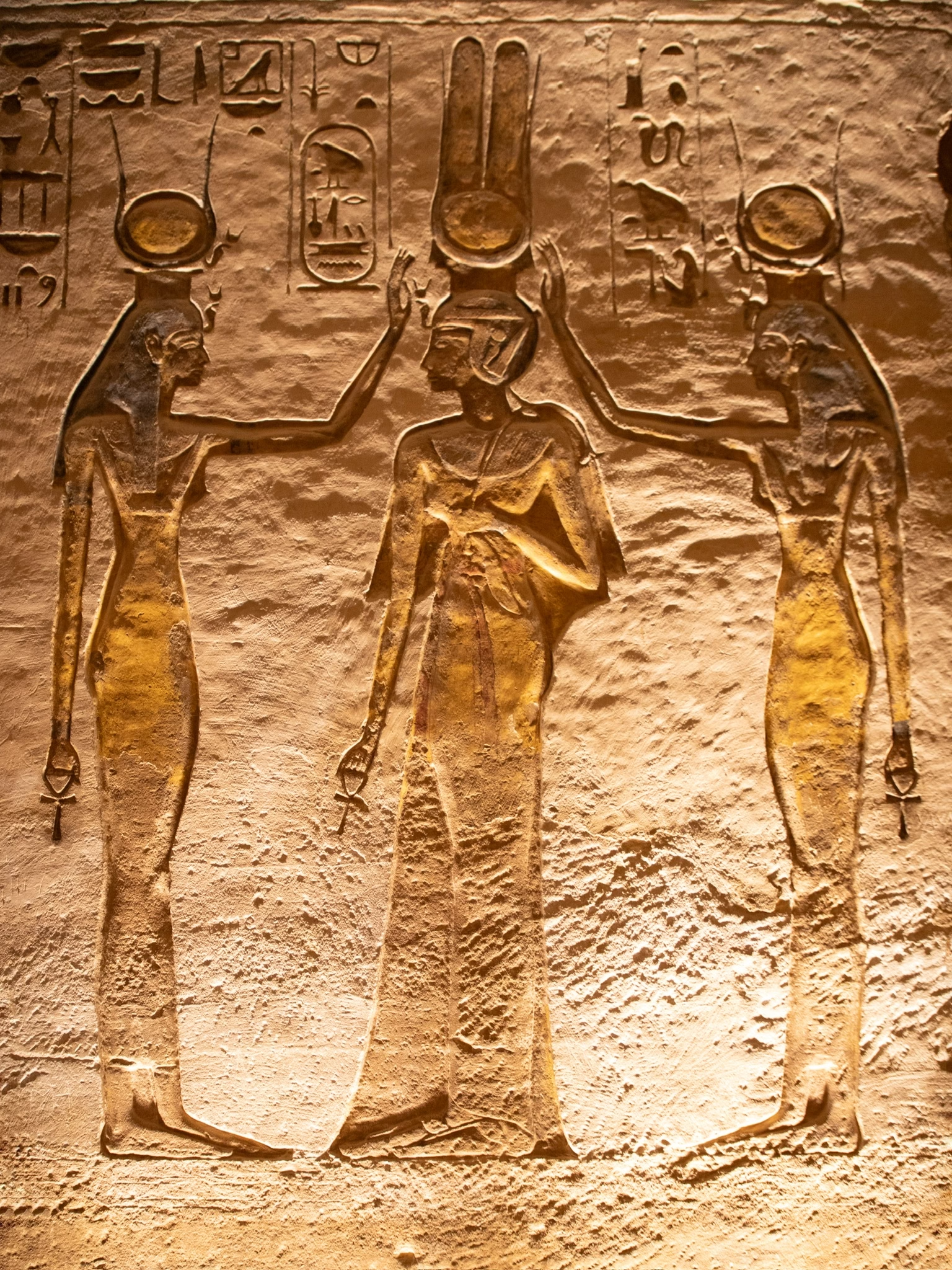
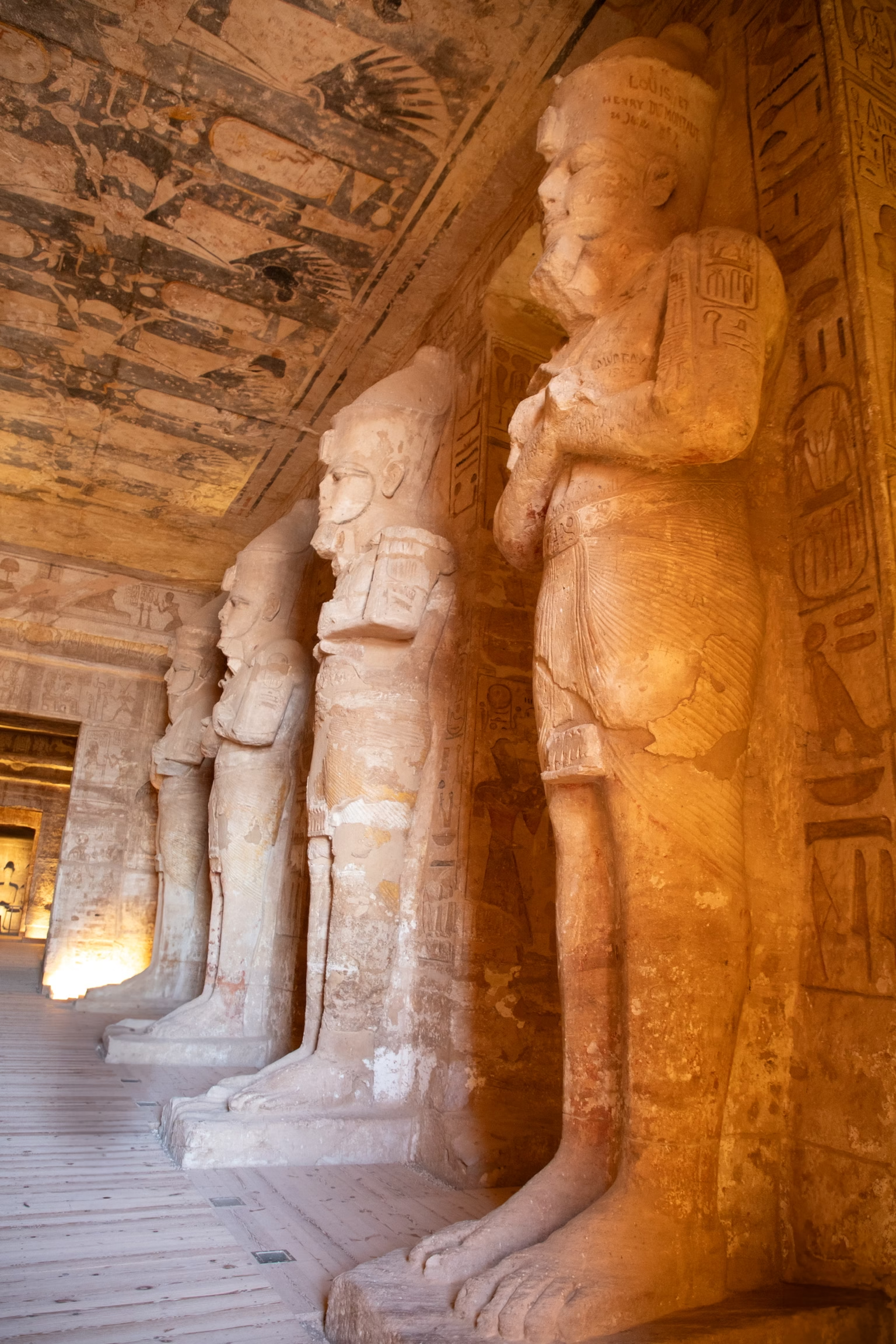
Experience the awe-inspiring Abu Simbel temples, carved directly into sandstone cliffs by Pharaoh Ramses II on the shores of Lake Nasser. Stand before the colossal statues of the Great Temple, explore the beautifully detailed Small Temple of Hathor and Nefertari, and marvel at ancient carvings that tell stories of gods, kings, and historic battles. This tour immerses you in Egypt’s rich history, culture, and architecture, offering a truly unforgettable adventure in one of the world’s most iconic archaeological sites.
Price Includes
Price Excludes
Hotel Pickup in Aswan or Nearby
Travel to Abu Simbel
Visit the Great Temple of Ramses II
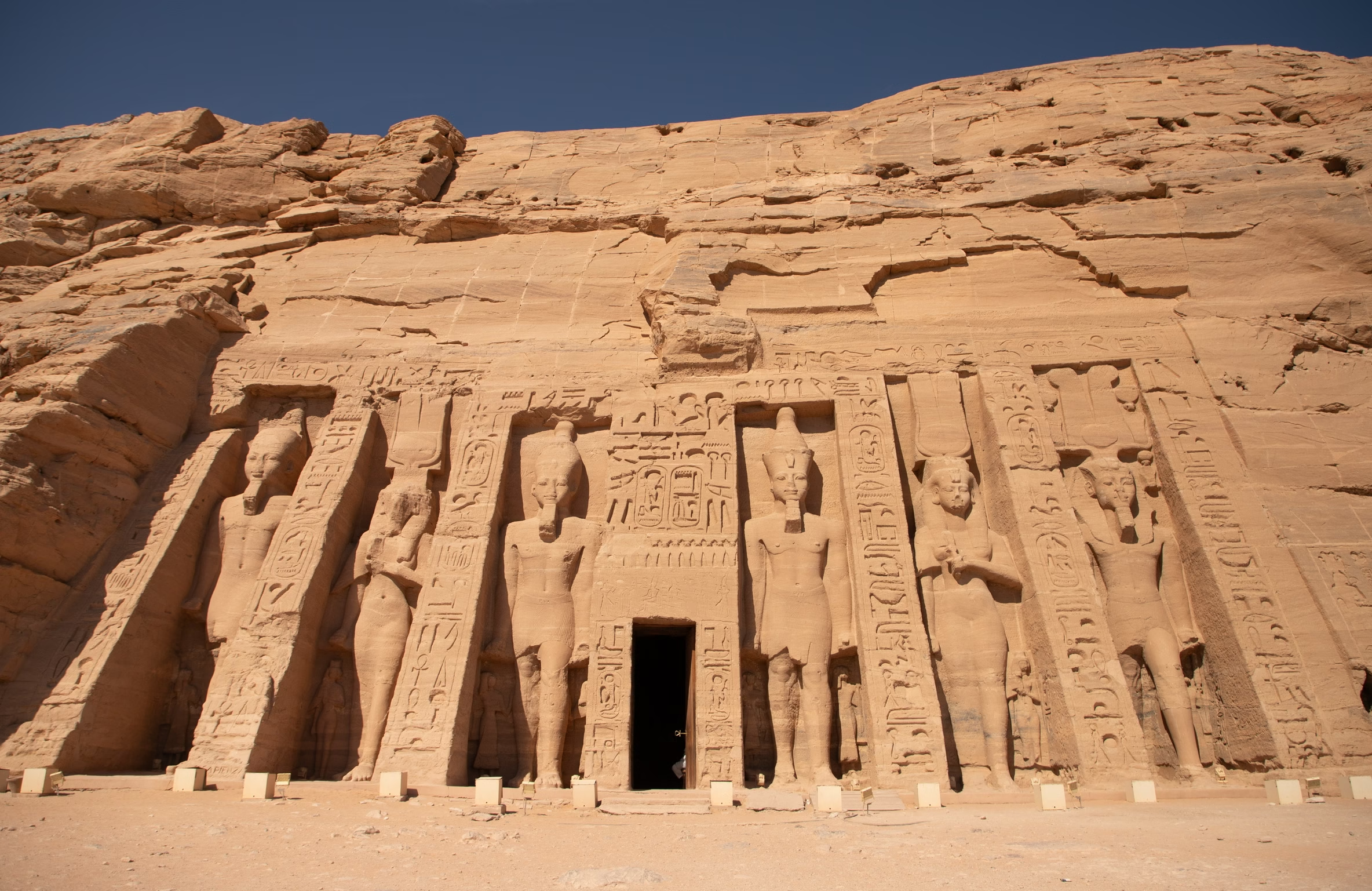
Explore the Small Temple of Hathor & Nefertari
Optional Sound & Light Show or Free Time
Experience one of Egypt’s most awe‑inspiring ancient sites on a journey to Abu Simbel, where colossal rock‑cut temples and towering statues showcase the genius of ancient Egyptian engineering and art. Carved into the sandstone cliffs by Pharaoh Ramses II, the Great Temple’s four massive seated statues stand guard over its entrance — a breathtaking spectacle that has drawn visitors for generations.
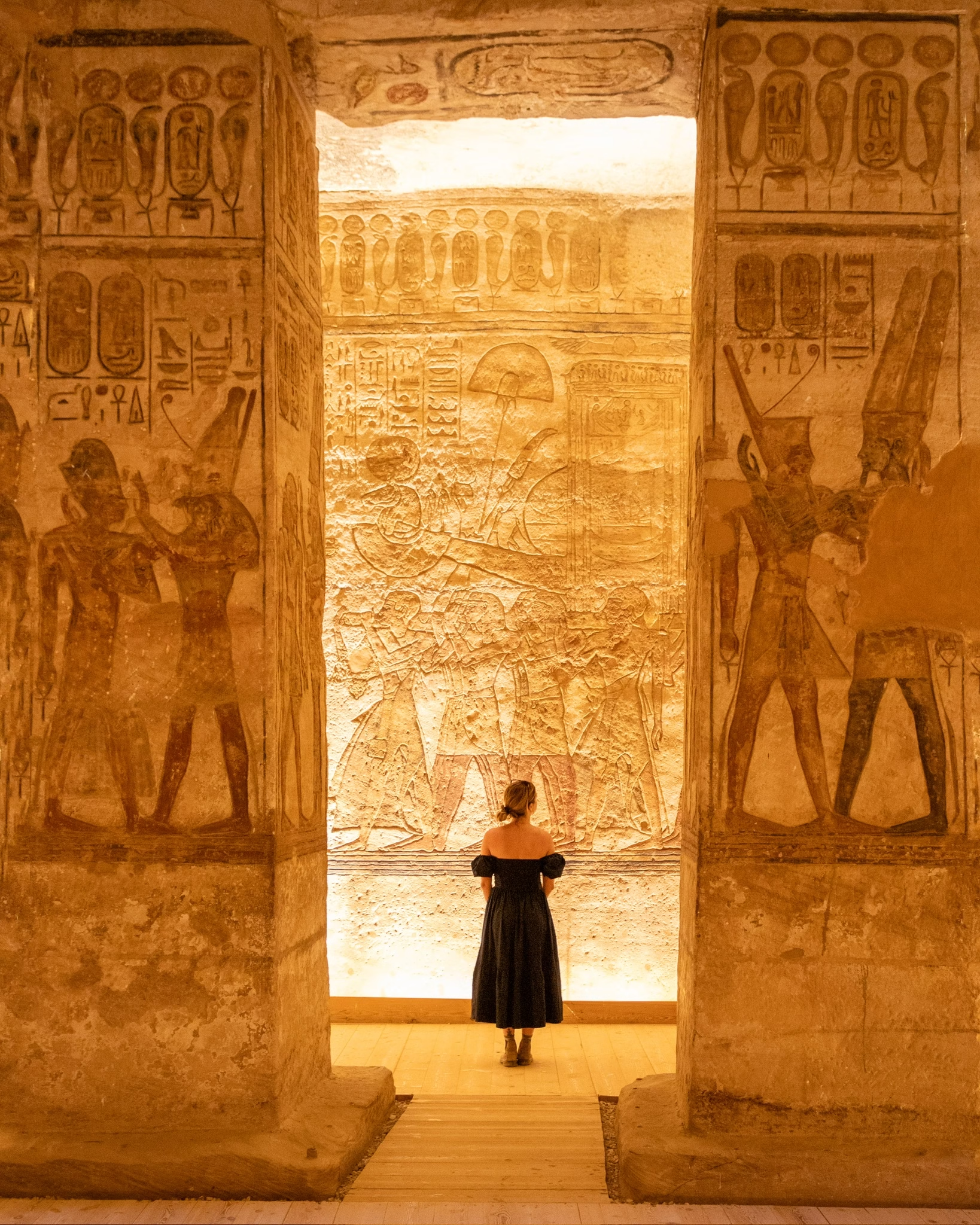
Inside, dramatic carvings and reliefs tell stories of kings, gods, and historic battles, while a companion temple built for Queen Nefertari offers a beautifully intimate complement to the grand colossi outside.
On selected days each year, the temple’s axis aligns with the rising sun so its rays illuminate the inner sanctuary — a testament to the ancient Egyptians’ remarkable astronomical knowledge.
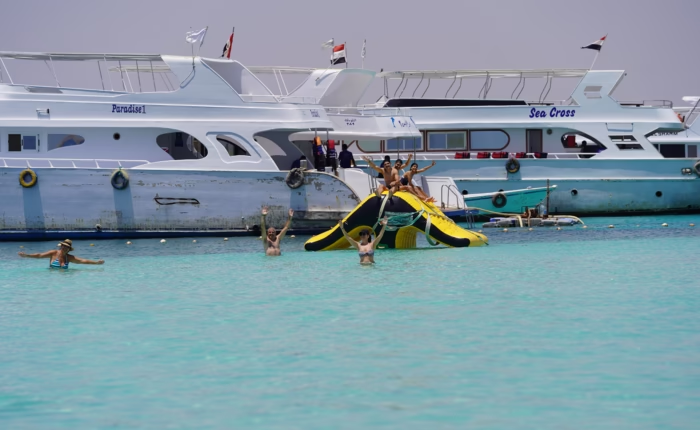
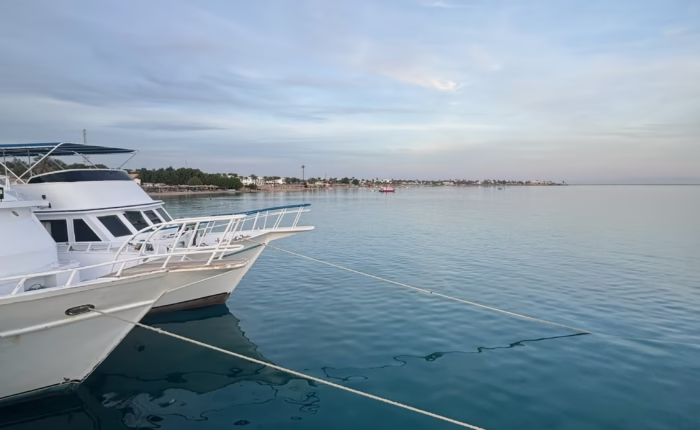
Whether traveling by road, boat, or short flight from Aswan, this tour promises a memorable cultural and historical adventure at one of Egypt’s most iconic archaeological treasures.
Abu Simbel is in southern Egypt, near the border with Sudan, southwest of Aswan on the shores of Lake Nasser.
You’ll see the Great Temple of Ramses II with its four giant seated statues, and the Small Temple of Hathor and Nefertari dedicated to the queen, both carved into the rock.
It’s best to bring water and snacks.
Yes! Abu Simbel’s temples were built so that twice a year (typically 22 February and 22 October) sunlight reaches the inner sanctuary — a truly unique natural & historical event.